

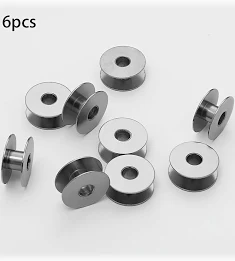


Embroidery Bobbin
₵8.00
CompareIn machine embroidery, an embroidery bobbin is a small spool that holds the lower thread in an embroidery machine, working together with the upper thread to create stitches. It is placed inside the machine’s bobbin case beneath the needle plate and supplies thread from the underside of the fabric during embroidery.
Unlike regular sewing bobbins, embroidery bobbins are often wound with a finer, lightweight thread called bobbin thread, which helps reduce bulk, improve stitch quality, and allow the decorative upper thread to stand out. Bobbins come in different sizes and materials, such as plastic or metal, depending on the machine model.
A properly wound and installed bobbin is essential for maintaining correct thread tension, preventing thread breaks, and producing clean, professional-looking embroidery designs.
-
- Creating the Lockstitch: The primary function is to lock the top thread into place. As the needle pushes the top thread down, the machine’s hook catches it and loops it around the bobbin thread, securing the stitch to the fabric.
- Tension Management: The bobbin provides upward resistance against the needle thread. Balanced tension prevents the top thread from looping on the back of the fabric, or the bobbin thread from showing on the front.
- Minimizing Design Bulk: Because embroidery involves thousands of dense stitches, the embroidery bobbin holds a much thinner thread than the top (typically 60wt or 80wt). This keeps the back of the design soft and flat rather than thick and stiff.
-
- Pre-wound Bobbins: Many embroiderers use manufactured pre-wound embroidery bobbins because they are wound with perfect, uniform tension, preventing machine jams.
- Color Selection: White bobbin thread is used for light-colored designs, and black bobbin thread is used for dark-colored designs so the bobbin thread stays hidden.
-
- Tangle Prevention: The primary function is to keep individual skeins of cotton floss or silk from knotting, fraying, or tangling while in storage or during a project.
- Thread Preservation: Wrapping floss around a flat surface keeps the threads clean, dry, and protected from dust or oils from your hands.
- Color Cataloging: It acts as a physical label. Embroiderers write the manufacturer’s color code number (like DMC codes) directly on the bobbin to easily track inventory.
- Kitting Up: When starting a new project, stitchers select all the required colors, wind them onto bobbins, and place them on a metal binder ring for quick access.
- Managing Scrap Threads: When you have a short piece of leftover floss, you can wrap it back onto its designated bobbin instead of throwing it away.
Based on 0 reviews
Only logged in customers who have purchased this product may leave a review.
Related products
-
-
SEWING ACCESSORIES, Arts & Crafts Tools, Drafting/Marking Tools
Adger Water Erasable Pen, 106 Blue,1 piece
 SEWING ACCESSORIES, Arts & Crafts Tools, Drafting/Marking Tools
Adger Water Erasable Pen, 106 Blue,1 piece
- Makes a bright blue mark
- Marks easily removed with water
- A new safe way for marking: quilting, fabric, needlepoint, stitchery, embroidery, candlewicking, crewel, weaving
- Easy to see, easy to remove
SKU: 5487FB8/19


There are no reviews yet.