

SEWING ACCESSORIES, Arts & Crafts Tools, Drafting/Marking Tools, Sewing Notions
Smooth Tracing Wheel
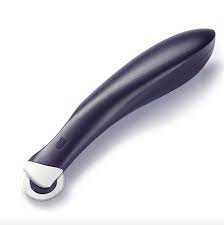
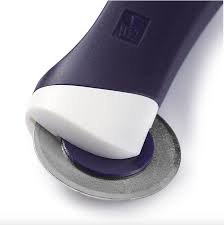
Protect your delicate fabrics while marking patterns perfectly! Unlike spiked wheels that can puncture or snag fine textiles, this Smooth Tracing Wheel (Sold Individually) uses a solid, blunt-edge wheel to press smooth, continuous lines onto your fabric. Pair it with carbon transfer paper to effortlessly copy sewing lines, pleats, and dart placements without leaving permanent holes.
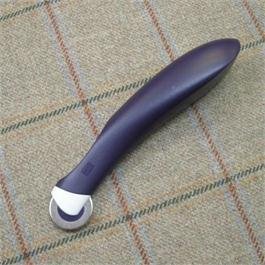
Equipped with a comfortable, ergonomic contour handle for smooth gliding and precise steering, it is an essential marking tool for tailors, dressmakers, and quilters working with silks, satins, and lightweight knits.
Quick Product Highlights (Perfect for website bullet points):
- Fabric Safe: Smooth, non-serrated wheel glides gently without snagging, ripping, or piercing delicate textiles.
- Continuous Lines: Creates solid, unbroken tracing lines for highly accurate cutting and stitching guides.
- Ergonomic Grip: Contoured handle provides maximum control and reduces hand fatigue during long design sessions.
- Multi-Surface Use: Works beautifully alongside dressmaker’s carbon paper on woven, knit, and fine luxury fabrics.
₵75.00
CompareA smooth tracing wheel (also known as a blunt tracing wheel) is a specialized dressmaking and pattern-drafting tool. Unlike serrated or spiked tracing wheels that punch holes into paper or fabric, a smooth wheel features a solid, continuous edge designed to press clean, unbroken lines without piercing the material.
Here is a comprehensive breakdown of everything you need to know about the smooth tracing wheel for your e-commerce product page.
Core Anatomy & Components
- Smooth-Edge Wheel: A solid metal disc with a blunt, rounded perimeter. It is engineered to transfer smooth, continuous pressure lines rather than dotted patterns.
- Ergonomic Handle: Commonly made from contoured plastic or classic finished wood. It is designed to sit comfortably in the palm, allowing the user to apply downward pressure without straining the wrist.
- Reinforced Steel Shank: The sturdy metal neck that connects the handle to the wheel axle. It prevents the tool from bending or wobbling when pressing down heavily on thick pattern paper.
Key Advantages
- Fabric Protection: It is 100% safe for delicate, fine, or tightly woven luxury fabrics (such as silk, satin, chiffon, organza, and high-end knits). It will never pull threads, snag fibers, or create permanent holes.
- Solid Tracing Lines: When used with dressmaker’s carbon transfer paper, it creates solid, unbroken lines.
- This makes cutting and stitching paths much easier to follow than the faint, dotted lines left by spiked wheels.
- Pattern Preservation: It can be rolled over fragile tissue-paper commercial patterns repeatedly without chewing up, tearing, or degrading the paper edges.
- Dual-Function Marking: On certain crisp fabrics (like stiff cotton, linen, or muslin), the pressure of the wheel alone can leave a visible indentation crease, allowing crafters to mark temporary lines without using chalk or ink.
Best Uses & Applications
- Transferring Markings: Copying darts, pleats, tucks, pockets, and buttonhole placements from paper patterns directly onto fabric.
- Tracing Existing Garments: Replicating the shape of an assembled piece of clothing onto paper to create a brand-new custom pattern.
- Quilt Block Marking: Pressing crisp, straight stitching lines onto fabric blocks before quilting.
How to Use (Great Value-Add Section for Customers)
- Layer the Materials: Place your fashion fabric face down on a hard cutting mat.
- Lay a sheet of dressmaker’s carbon paper (wax/chalk side facing the fabric) on top of it.
- Place your paper pattern on the very top.
- Secure the Layers: Use pattern weights or pins to ensure nothing shifts while tracing.
- Trace the Lines: Hold the wheel like a pencil or a utility knife, apply firm downward pressure, and roll the smooth edge directly along the pattern lines.
- Compatibility: Works best alongside dressmaker’s carbon transfer paper and self-healing cutting mats.
- Care Instructions: Wipe the metal wheel with a dry microfiber cloth after use to keep it free of chalk or wax residue.
- Do not oil the wheel axle directly to avoid staining fabrics.
Based on 0 reviews
Only logged in customers who have purchased this product may leave a review.
Related products
-
-
SEWING ACCESSORIES, Cutting Tools
Mini Electric Cutting Machine,70mm Blade
- Raw material incision is neat, no burr, no wrinkles. With automatic sharpening wheel to keep blab sharp.
- Sharp blade, can cut off cloth quickly, also portable and flexible.
- Equipped with spare blade very is easy to replace.
- Very flexible to cut, can do straight cutting and curve cutting.
- Convenient to operate with exquisite workmanship
SKU: n/a


There are no reviews yet.